April 7, 2026
By Aaron Rudie | April 7, 2026
Bringing your vehicle in for brake service is a critical part of maintaining safety on the road. Understanding what to anticipate can ease your concerns and help you better communicate with your mechanic. In this article, we will explore each step of the auto brake service process, detailing what car owners should expect when they take their vehicle for service. Brake systems are among the most crucial components of a vehicle's safety mechanisms.
Brake problems can manifest in multiple ways, but understanding these signs early can save you from costly repairs down the line. Many drivers have experienced the anxiety that comes with unexpected repairs; hence, preventative measures and regular maintenance are indispensable. According to data from Gitnux, approximately 12% of all automotive repair tasks involve the braking system, ranking it among the most frequent maintenance requirements. This statistic underscores the necessity of regular brake maintenance and inspections.
Completing Initial Assessments
The first step when you notice potential brake issues is to contact a reputable service center. Do your research to find service centers with a track record of transparency. Recommendations from friends or family can also guide you to competent service providers. Consider contacting multiple centers to compare the services they offer and note any differences. Having these options can ensure you select a provider that fits your needs and budget.
Providing Vehicle Information
When making your auto brake service appointment, be ready to provide specific details about your vehicle. This includes the make, model, and year, as these factors can influence the required parts and service processes. Detailed information assists mechanics in preparing the right materials and ensuring they have the parts in stock. Having your vehicle's history handy can also provide valuable context. The more information you provide, the better equipped the service center will be to handle your vehicle efficiently.
Describing Brake Issues
Communicating any symptoms you're experiencing with your brakes is crucial when booking your appointment. This can include sounds such as squealing or grinding, sensations of the brake pedal, or changes in braking efficiency. These symptoms help the service team prioritize diagnostics and address urgent issues swiftly. Being specific and detailed in your description allows mechanics to pre-evaluate potential problems. It also saves time during the service process by narrowing down probable causes before your vehicle even enters the bay.
Performing Diagnostic Evaluations
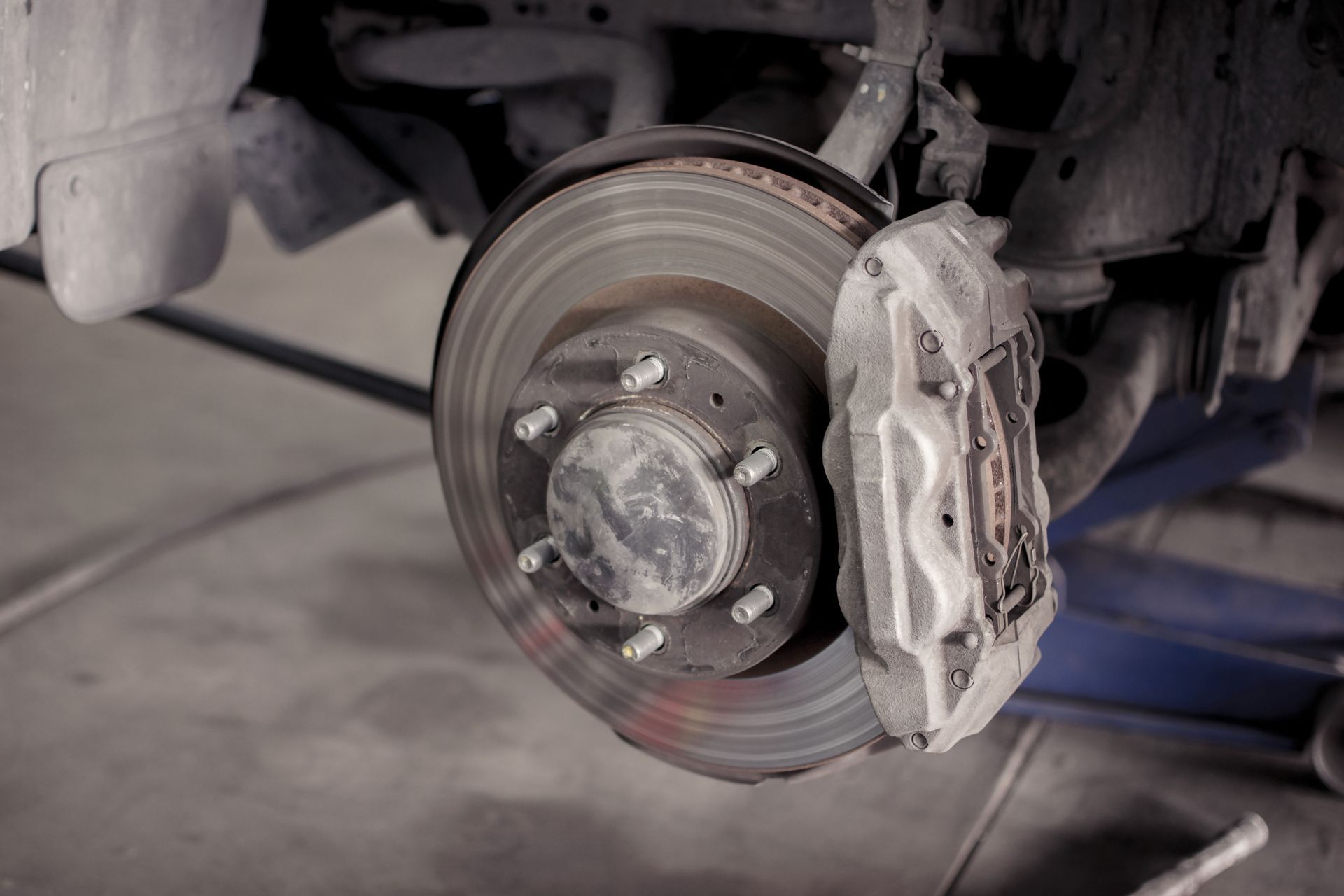
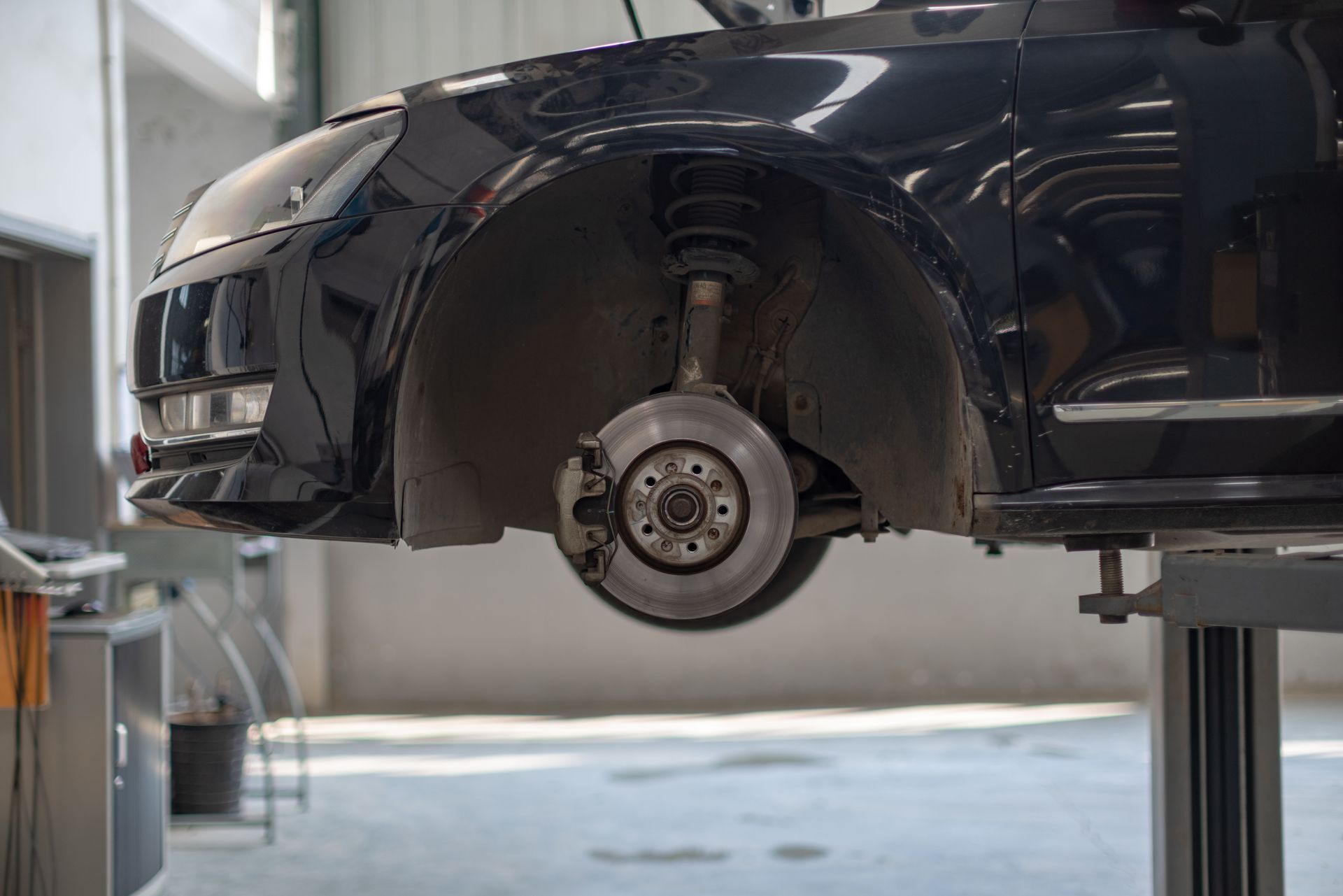
Once your vehicle arrives at the service center, mechanics will begin with a visual inspection of the brake system. This involves checking the brake pads, rotors, calipers, and lines for any visible signs of wear or damage. Visual inspections are a critical first step that provides valuable insights into the overall condition of your brake system. Mechanics will look for common issues such as uneven wear or score marks that can affect performance. Identifying these problems early can prevent further damage and costly repairs.
Conducting Squeak and Pressure Tests
After the visual inspection, mechanics often perform squeak and pressure tests to diagnose issues that may not be immediately visible. Squeaking noises can indicate worn pads, while pressure tests can reveal problems within the hydraulic system. These diagnostic tests are essential in understanding the precise nature of the braking problem. Detection through these tests allows for targeted repairs, addressing specific components that may need attention. Accurate diagnostics help in providing a clear picture of the necessary work and preventing unnecessary repairs.
Measuring Brake Pad Thickness
An essential part of the diagnostic evaluation is measuring the thickness of your brake pads. This involves using a special tool to determine how much material remains compared to the manufacturer's specifications. Wear limits are set for safety reasons, and once the pads fall below a certain thickness, they need to be replaced. The mechanics will inform you of the current condition of your pads, and if they are nearing the end of their life, recommendations for replacement will be made. This evaluation is crucial to ensuring your vehicle's braking performance remains optimal and safe.
Estimating Costs
After diagnostics, the service center will provide a detailed breakdown of the costs involved in your auto brake service. This includes labor costs for the mechanic's time, parts required for replacement, and any miscellaneous fees that may apply. It's important to understand each line item on the cost estimate to ensure you're aware of what you're paying for. Clear communication about pricing helps avoid surprises when the final bill arrives. Be sure to ask questions if any part of the cost estimation is unclear.
Deciding Between Repair and Replacement
Determining whether to repair or replace components depends on the extent of wear and damage discovered during the diagnostics. Mechanics will weigh factors such as cost-effectiveness, safety, and long-term benefits when making these recommendations. In some cases, repairing a component might temporarily fix the issue but could lead to additional problems later. Full replacement might offer more reliability and peace of mind. Understanding these trade-offs is essential in making an informed decision that will impact your vehicle's safety and performance.
Evaluating Warranty Coverage
Most service centers offer warranties on their work, which are important considerations when reviewing your cost estimation. These guarantees assure you of the quality of the parts used and the labor performed, providing protection and recourse should issues arise. Ensure you are aware of the warranty duration and what specifically it covers. Evaluating these terms is critical for making a confident choice in your service provider. Knowing you have a safety net in place can offer additional peace of mind.
Executing the Service Process
With cost approval, the service process begins with the removal of old brake components. Technicians use specialized tools to safely and efficiently remove worn pads, rotors, and other essential brake parts. This step involves a meticulous approach to ensure that no damage occurs to surrounding components. Proper handling during removal is crucial, as mishandling could complicate reinstallation or lead to other issues. Each component is carefully assessed before removal to determine the most effective replacement method.
Installing Replacement Parts
Once old components are removed, new parts are prepared for installation. Replacement parts are specifically selected to fit the make and model of your vehicle, ensuring compatibility and effectiveness. Technicians verify that all replacements meet industry standards and vehicle specifications. The installation process involves precise placement and secure fastening to guarantee proper operation. By using quality replacement parts, the service ensures enhanced performance and reliability for your vehicle.
Replacing Brake Fluid
A critical but often overlooked aspect of brake service is the replacement of brake fluid. Over time, contaminants in the system can degrade fluid quality, affecting brake performance. The brake fluid is flushed and replaced, and the system is bled to remove any air that could impair functionality. Clean, high-quality brake fluid is essential for optimal hydraulic pressure and smooth brake operation. Regular replacement of fluid is an integral part of comprehensive auto brake service and enhances vehicle safety.
Understanding what to expect when taking your vehicle to an auto brake service can make the process more straightforward and stress-free. Proper preparation, knowing the service steps, and maintaining communication with your service provider are essential in ensuring your vehicle's safety and long-term performance. Confidently navigating the brake service experience begins with knowledge, so leveraging this guide equips you to handle each step effectively.
Is your car showing signs of brake wear or making unusual noises? Don't wait until a small problem becomes a major safety risk. Visit Aaron's Elite Auto Service today for a professional and thorough auto brake service that keeps you safe on every journey.