When it comes to vehicle safety, no system is more vital than your brakes. It is the silent guardian that stands between a routine commute and a potential disaster. However, for many drivers, the mechanics of stopping remain a mystery until a warning light flashes or a pedal feels "spongy." In today’s automotive landscape, the debate between disc brakes and drum brakes isn't just about old versus new—it’s about matching the right technology to your driving style and environment. Follow along to understand more about auto brake services.
Disc Brakes vs. Drum Brakes
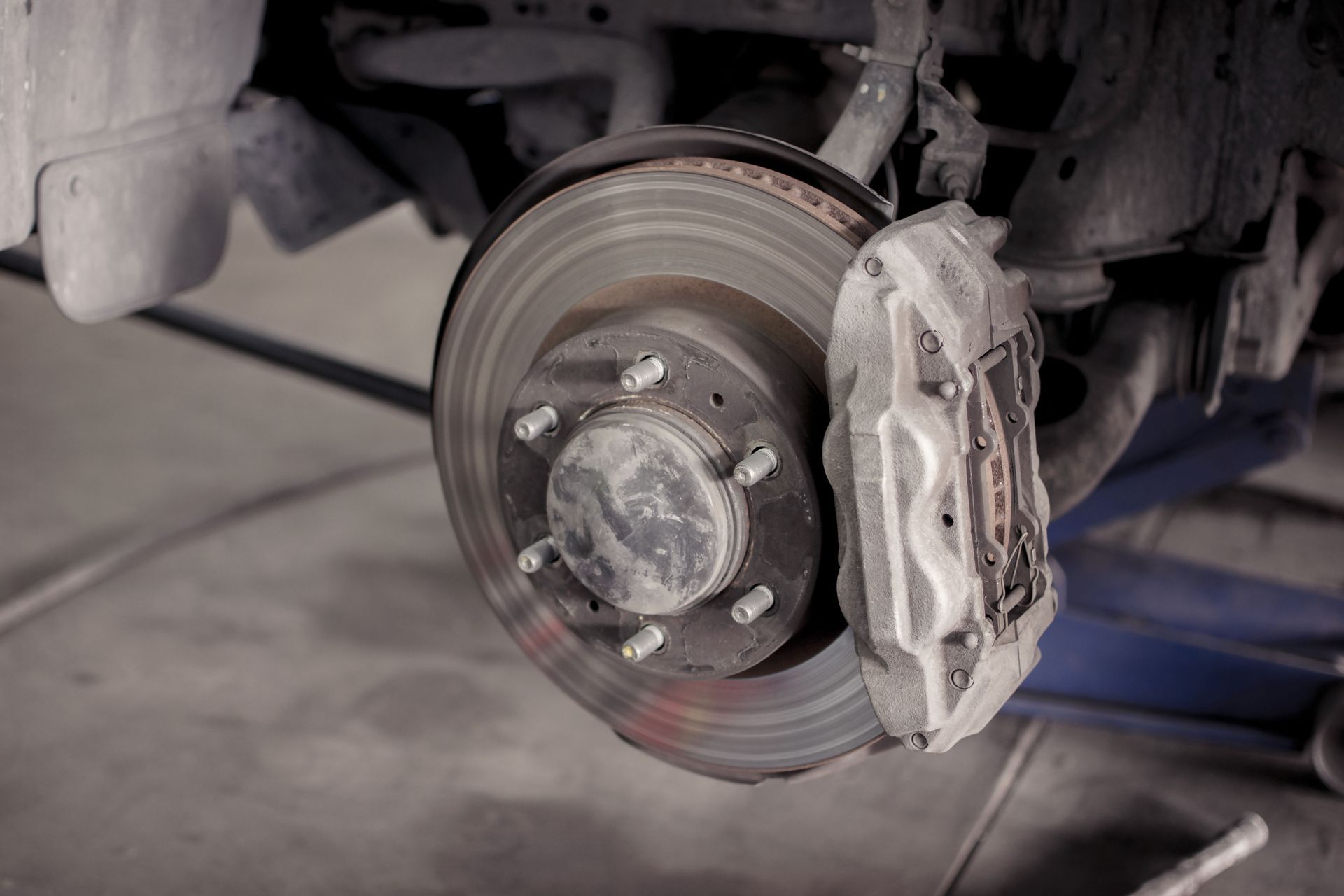
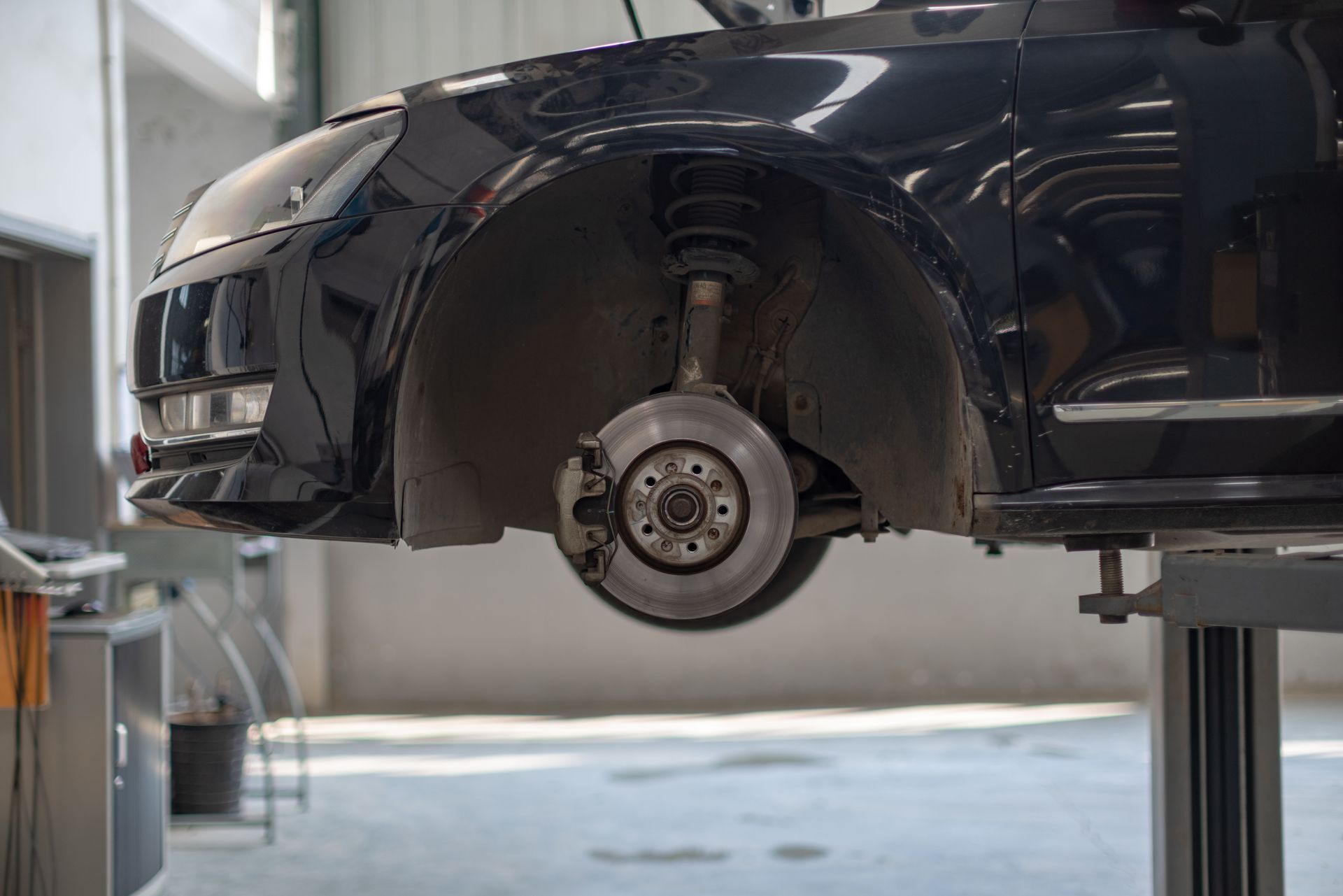
Modern vehicles generally use either disc brakes or drum brakes, each with distinct features and benefits. Disc brakes consist of a caliper that squeezes brake pads against a rotor, offering superior stopping power and performance. On the other hand, drum brakes use shoes to press outward against a rotating drum. While drum brakes are generally found in older or entry-level vehicles, they are known for being cost-effective and easy to replace. Choosing between disc and drum brakes depends on performance needs and budget constraints, but disc brakes typically offer greater safety in demanding conditions.
Disc brakes are favored for their ability to dissipate heat more efficiently, which is crucial for maintaining performance during prolonged use. Drum brakes can overheat easily, leading to brake fade and reduced effectiveness in stopping power. Furthermore, disc brakes provide better performance in wet conditions since water is expelled more easily from the rotor. In contrast, drum brakes can retain moisture, leading to decreased braking ability. The decision between these two types ultimately hinges on a balance between cost, performance, and specific driving conditions.
It’s essential to understand the differences when learning about auto brake services. While disc brakes require more frequent servicing due to the wear and tear on pads, they generally provide better overall control during emergency braking. Drum brakes, being enclosed, typically require less servicing but may need periodic adjustments to maintain efficiency. Both types rely heavily on the hydraulic system for operation, necessitating regular checks for optimal performance. Educating yourself on the differences can lead to more informed maintenance decisions and enhance your vehicle's safety profile.
Essential Components and Their Functions
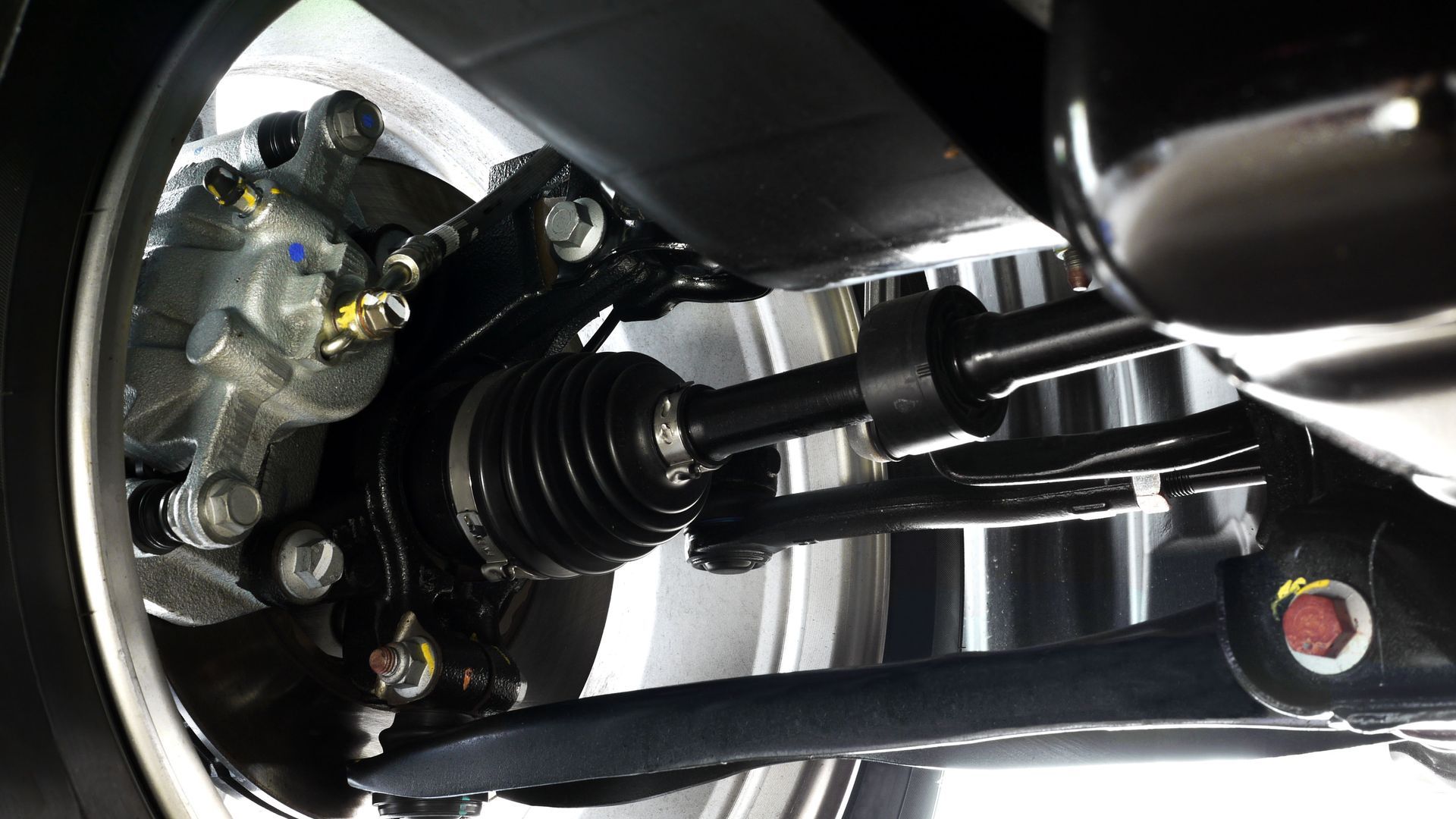
Auto brake services and their system consist of various components, each playing a crucial role in ensuring optimal performance and safety. Brake pads and shoes provide the friction needed to slow or stop the vehicle. Rotors and drums hold these friction components, converting kinetic energy into thermal energy while allowing the vehicle to stop smoothly. Brake calipers and wheel cylinders act as clamps, forcing the pads and shoes against the rotors and drums, respectively. Each component must function harmoniously to ensure the vehicle can stop promptly when the brakes are applied.
Equally essential is the brake master cylinder, which acts as the heart of the braking system, pumping brake fluid through lines to various braking components. This fluid is critical because it transfers the force from your foot on the pedal into pressure on the wheel brakes. Brake lines and hoses are pivotal in this system, as they carry the high-pressure fluid to where it's needed most. The integrity of these lines is paramount; a failure can lead to catastrophic consequences while driving. Regular inspection and maintenance of these components ensures each part functions correctly, thus maintaining vehicle safety.
Beyond the physical components, modern vehicles incorporate electronic systems like the Anti-lock Braking System (ABS) to prevent wheel lock-up during abrupt stops. The ABS provides additional safety, particularly in slippery conditions, by modulating brake pressure to maintain traction. Understanding how each component works within the system assists not only in proper use but also in timely diagnosis of potential issues. This comprehensive knowledge impacts decisions regarding maintenance schedules and when professional auto brake services might be necessary. Altogether, these components form a complex system whose maintenance requires attention to detail and regular oversight.
Hydraulic System Explained
The hydraulic system within the braking setup plays a pivotal role in overall functionality. It converts the mechanical force from your foot pressing on the pedal into hydraulic pressure, actuating the brakes. This transformation happens via the brake master cylinder, a component that responds immediately to your input. The hydraulic system ensures that pressure is evenly distributed to all brakes, providing balanced braking. In essence, it allows for precision stopping, a critical factor in maintaining road safety under various conditions.
Brake fluid is the lifeblood of this hydraulic system, tasked with transferring the necessary force efficiently. However, this fluid can degrade due to moisture and extreme temperatures, making regular fluid checks and changes essential. Air can enter the system through leaks, leading to a spongy brake feel, which compromises stopping power. Manufacturers typically recommend brake fluid changes every two years or sooner if frequent stop-and-go or city driving is common. Therefore, maintaining the hydraulic system is critical to ensuring that the brakes respond as expected in any situation.
System leaks present a significant threat to hydraulic integrity, leading to decreased pressure and compromised braking ability. Understanding the signs of hydraulic system failure, such as decreased braking performance or a soft pedal, is vital. Regular inspection and maintenance can catch these issues early, preventing what could evolve into costly repairs or accidents. A properly maintained hydraulic system not only extends the lifespan of brake components but also plays a critical role in overall vehicle safety. Educating oneself about the auto brake services assists in ensuring that every drive is a safe drive.
The Role of Brake Pads and Rotors
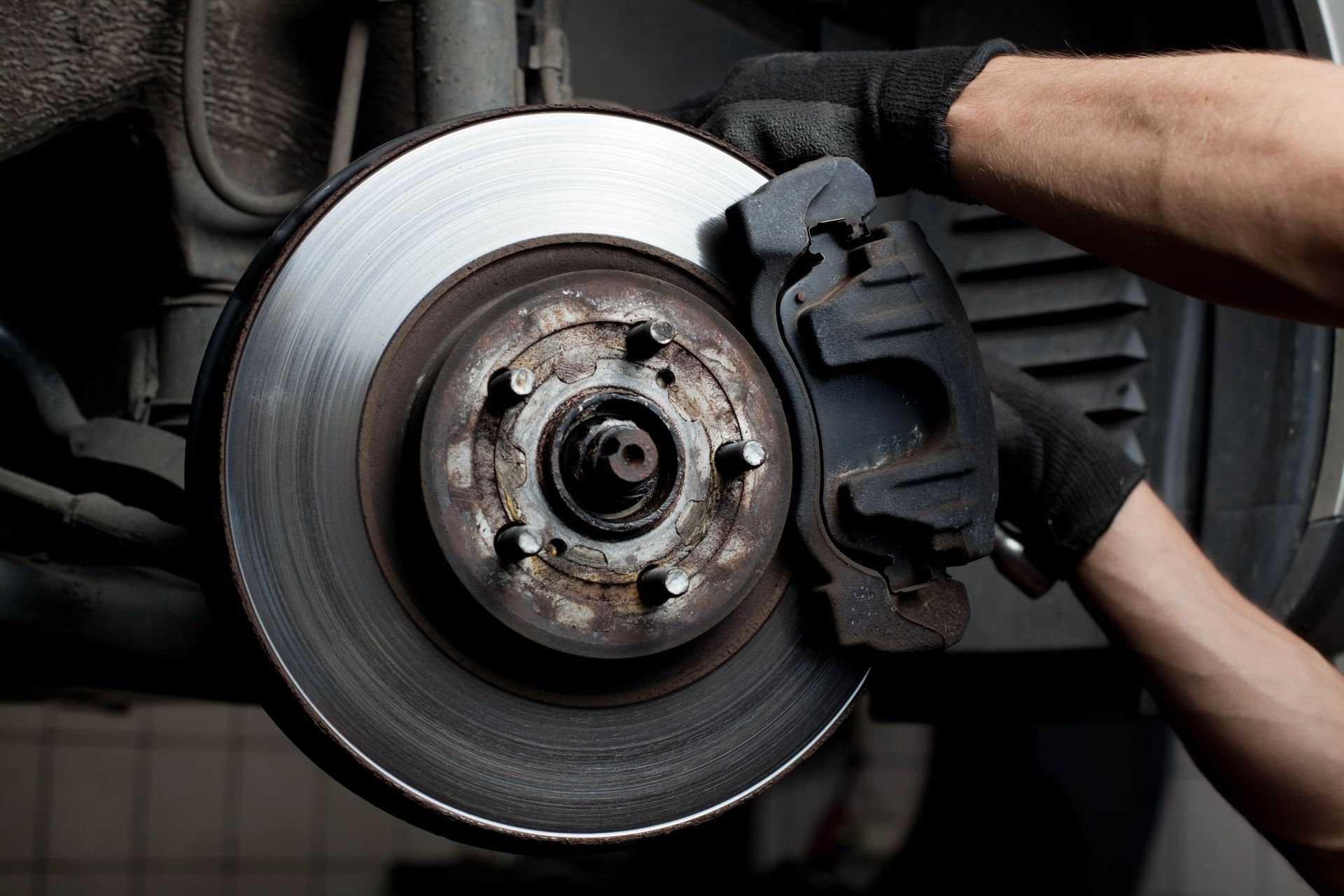
Brake pads and rotors are among the most critical components in a vehicle's braking system, directly influencing safety and performance. Brake pads are designed to provide friction against the rotors to slow the vehicle down. However, they undergo wear over time, which may lead to increased stopping distances or sounds like squealing and grinding when degraded. Regularly inspecting and replacing brake pads when necessary is pivotal to maintaining optimal stopping power. Using quality brake pads can improve the vehicle's performance and lifespan, thus safeguarding all road users.
The rotors, meanwhile, are discs attached directly to the wheels and play a crucial role in the heat dissipation process. When brake pads press against the rotors, they convert kinetic energy into thermal energy, effectively causing the vehicle to slow down. Over time, rotors can warp or become uneven, resulting in vibrations when applying the brakes. Such issues necessitate resurfacing or replacement to ensure the braking system continues to perform efficiently. Maintaining both pad and rotor health ensures a smooth brake application at various speeds, vital for driving in demanding conditions.
According to Cars.com, city or rush hour driving can limit the lifespan of car brakes to only 15,000 to 30,000 miles, due to frequent braking, while highway driving can extend it to 70,000 miles due to more consistent speeds. This difference in lifespan reflects how driving conditions affect wear and tear on these components. Thus, considering the driving environment and adopting the right maintenance schedules can drastically affect auto brake services. Staying informed and proactive about pad and rotor maintenance not only optimizes performance but also secures safety on the road. Effective brake maintenance is an investment toward better performance, safety, and peace of mind.
Is your brake pedal feeling soft, or are you hearing a high-pitched metallic grind? Schedule professional auto brake services with Aaron's Elite Auto Service today. Catching a worn pad now can save you from a costly rotor replacement later.