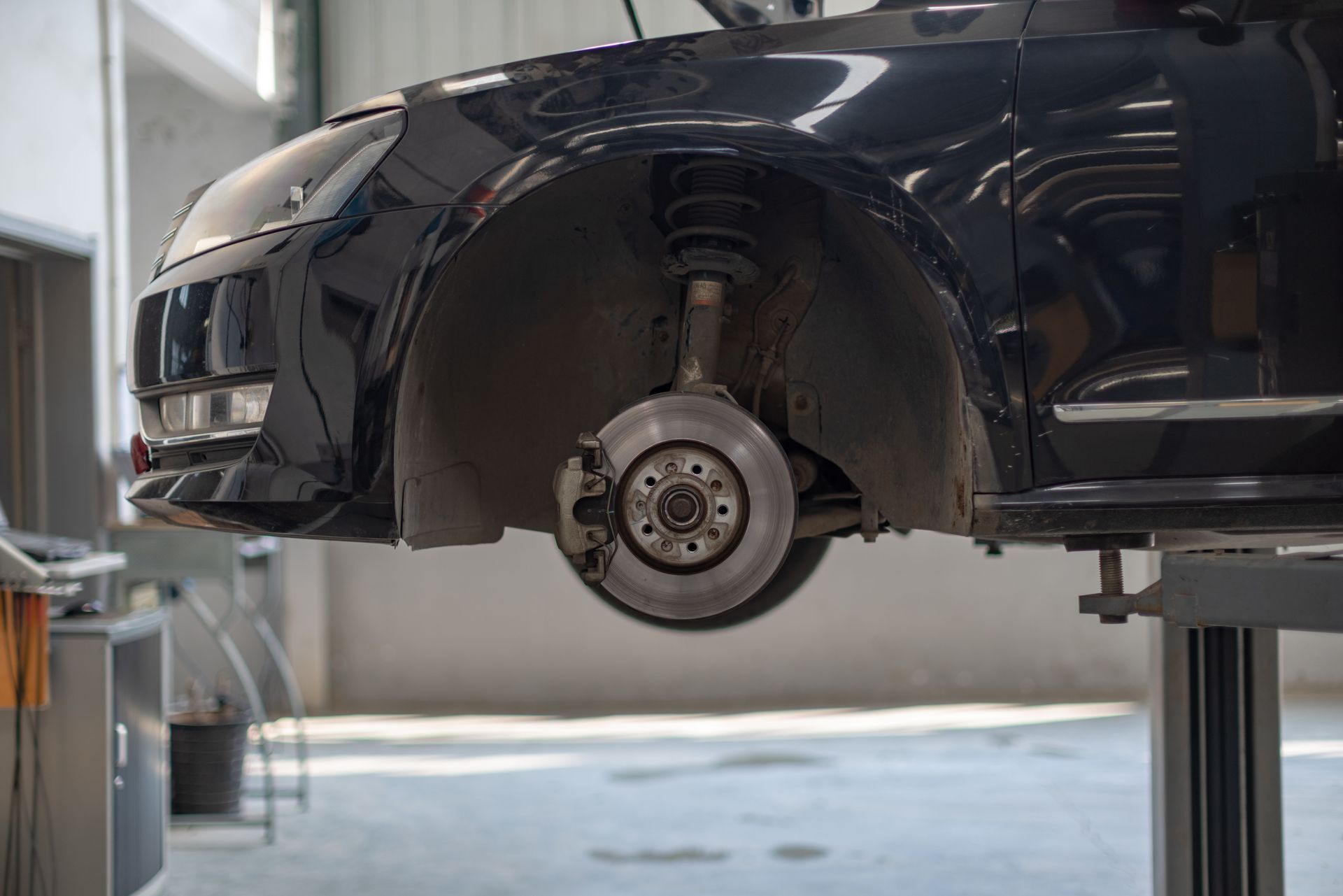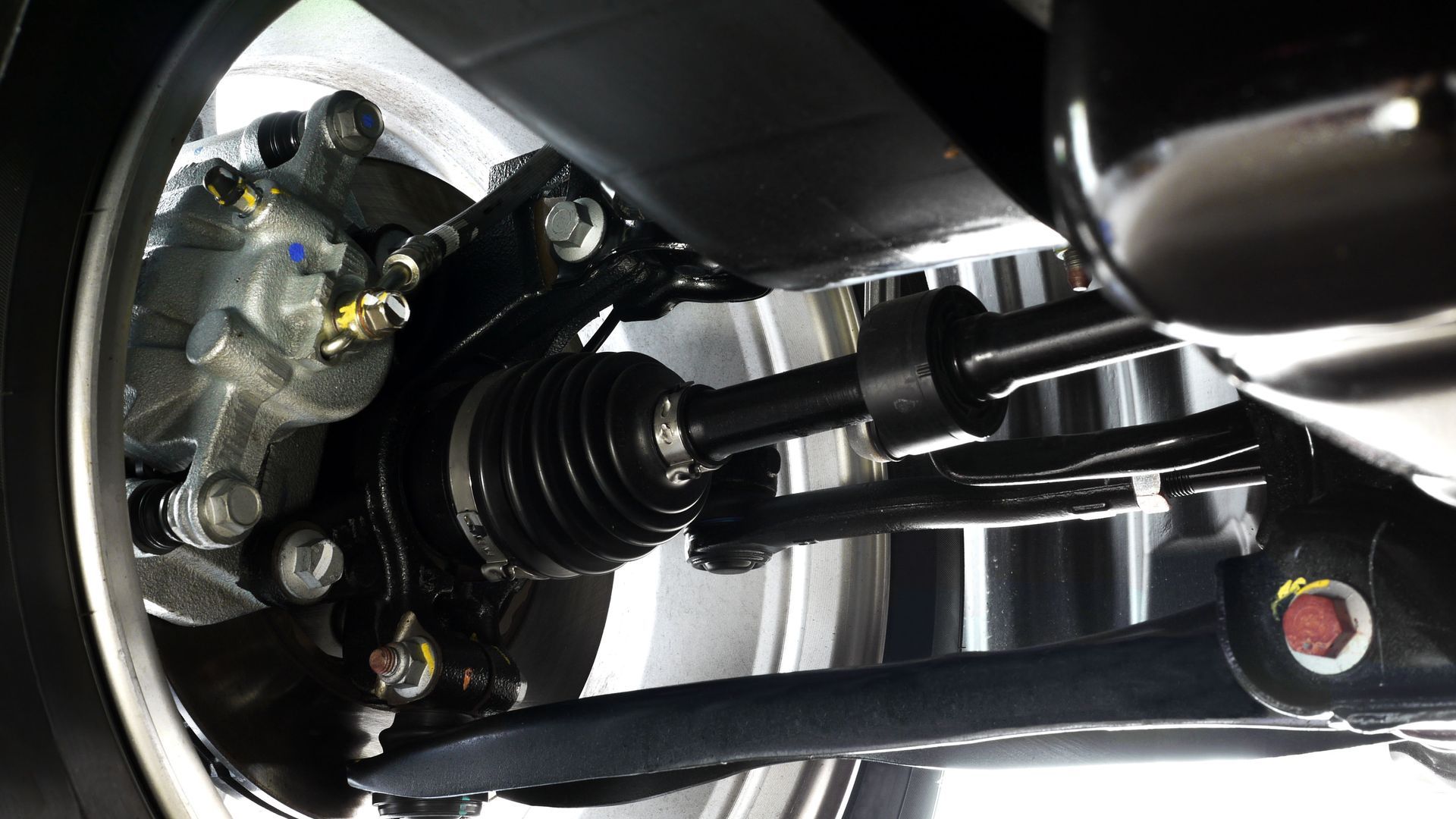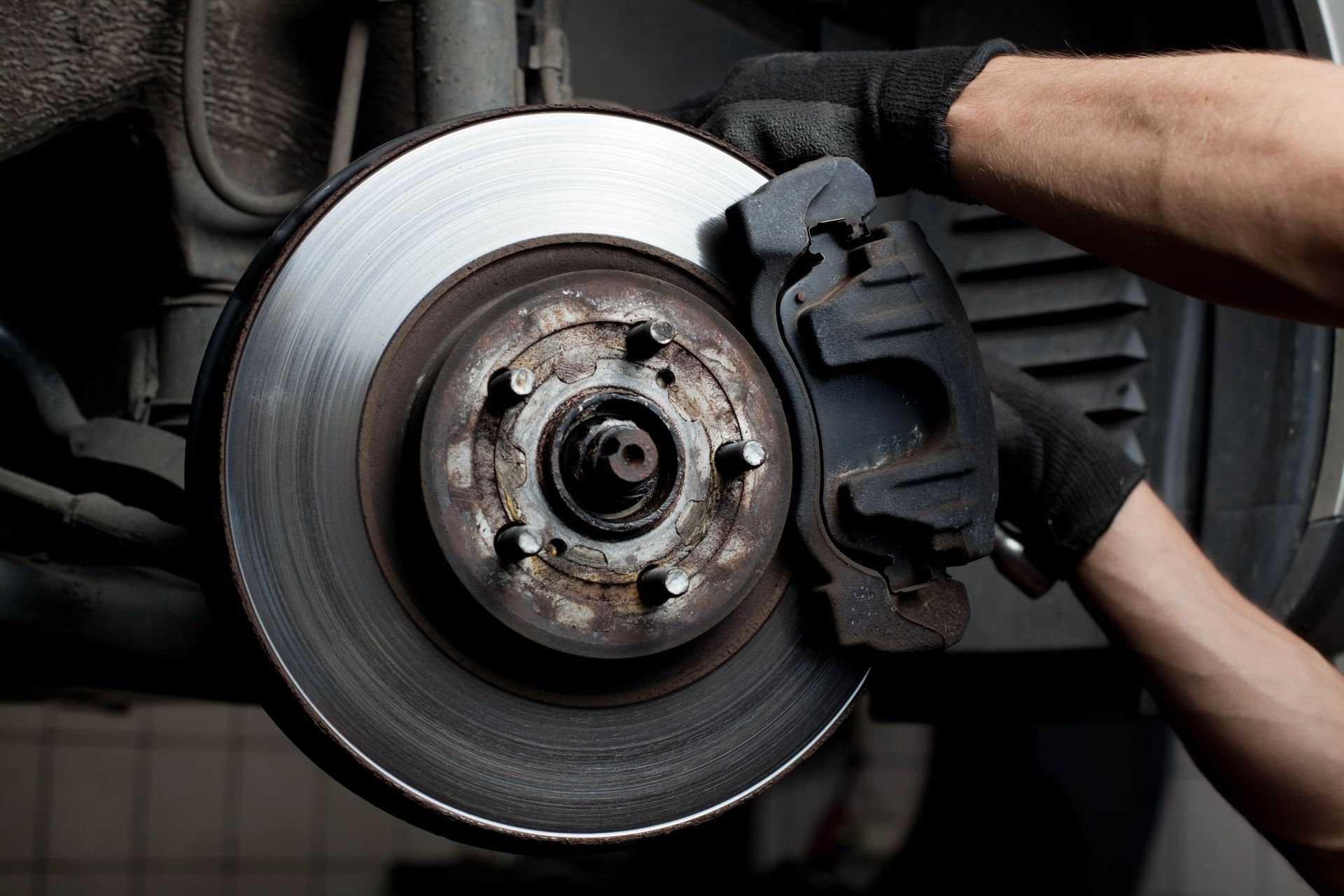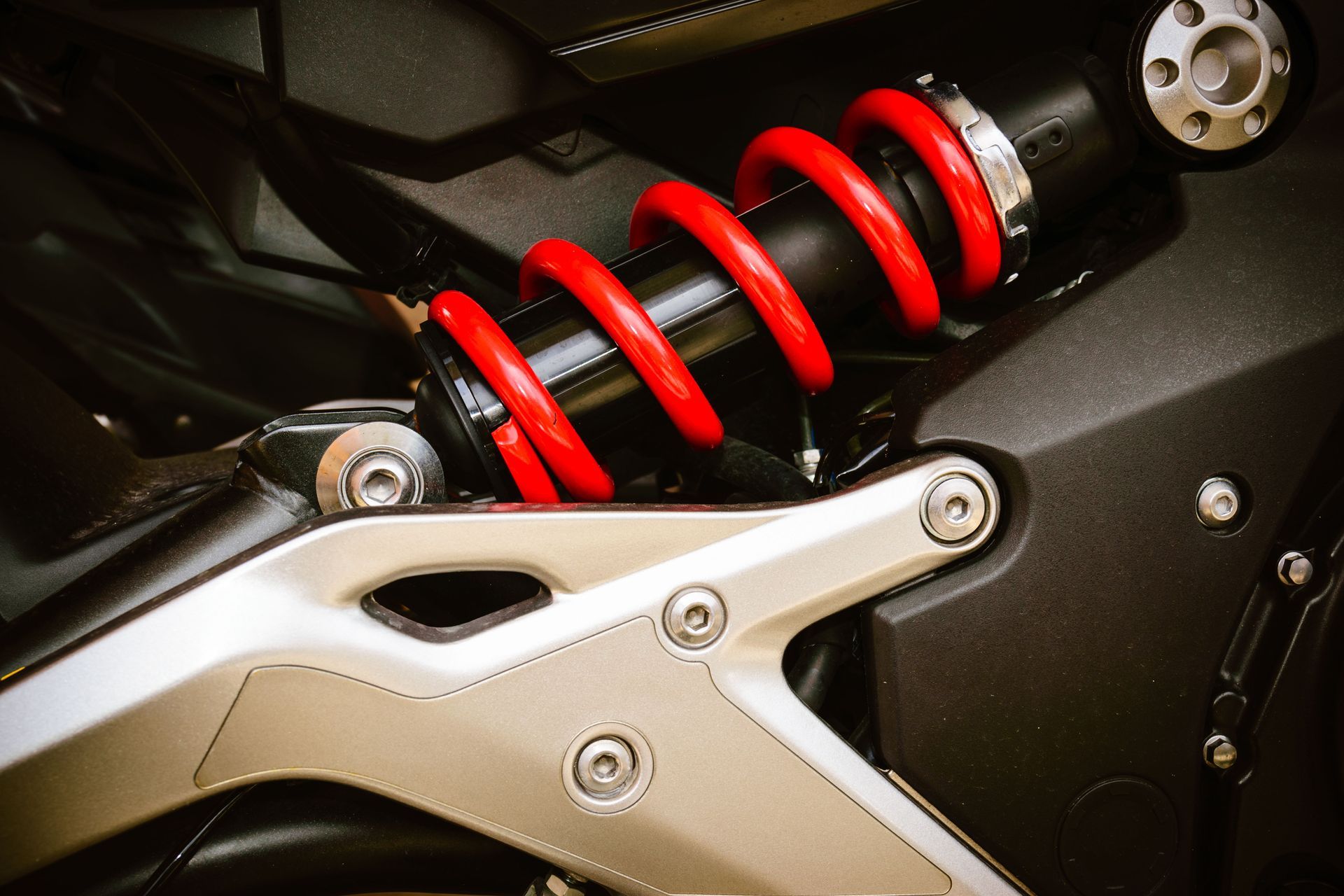
When it comes to maintaining a car, early detection of issues can save time, money, and prevent potentially dangerous situations on the road. Being proactive with car maintenance not only extends the life of your vehicle but also ensures a smooth and reliable driving experience. Ignoring warning signs can lead to costly repairs, unexpected breakdowns, and even compromise your safety. Understanding what to watch for and addressing problems early can help you avoid these pitfalls. Below are seven crucial signs that your car may need auto repair, along with practical advice to keep your vehicle running optimally.
1. Unusual Noises
One of the first indications that your car might need auto repair is unusual noises. Vehicles are designed to operate quietly and smoothly, so any odd sounds can be an early warning. Squealing or screeching sounds are often caused by worn-out brake pads or belts. These noises may seem minor at first, but ignoring them can result in more expensive repairs as the underlying components continue to wear. Knocking or pinging noises from the engine may indicate fuel system issues or low-quality gasoline, and prolonged neglect can damage the engine internally.
Grinding sounds during braking often signal that brake pads are completely worn and need replacement. Delaying repairs can compromise braking performance and increase the risk of accidents. Rattling sounds while driving might come from loose exhaust parts or minor engine issues that, if left unchecked, could escalate into more serious mechanical failures. Hissing or sizzling under the hood can point to coolant leaks or overheating, which, if ignored, could severely damage the engine. Catching these noises early and consulting a professional for auto repair ensures that minor issues do not become major headaches and keeps your vehicle safe on the road.
2. Fluid Leaks
Fluid leaks are another unmistakable sign that a car requires auto repair. Oil puddles under your car usually indicate a compromised oil pan or gasket. Ignoring an oil leak can lead to insufficient lubrication, which puts the engine at risk of severe damage. Transmission fluid leaks can affect how smoothly your car shifts gears, and unaddressed leaks may eventually harm the engine or transmission system. Coolant leaks are equally concerning; frequent overheating could indicate a damaged radiator or hose.
Brake and power steering fluid leaks can compromise the car’s safety and handling. Even small leaks should not be ignored, as they can escalate into major failures requiring extensive labor to fix. Regularly checking fluid levels, keeping an eye on spots under the car, and addressing leaks promptly not only improves your vehicle’s reliability but also prevents expensive repairs down the line. Proactive attention to fluid systems helps maintain optimal vehicle performance and extends the lifespan of crucial components.
3. Warning Lights
Dashboard warning lights are essential indicators that your car may need auto repair. The check engine light, for example, can be triggered by something as simple as a loose gas cap or something more severe, like a failing oxygen sensor. Brake system alerts indicate potential issues ranging from worn brake pads to fluid problems, while oil pressure warnings show that your engine might not be receiving sufficient lubrication.
Battery charging lights and ABS warnings can point to alternator or anti-lock braking system problems. While some lights may indicate minor concerns, ignoring them can lead to serious mechanical failures and safety risks. Timely diagnostics and repair not only prevent bigger problems but also ensure that your car remains dependable. By listening to these alerts and acting quickly, you can save yourself both time and money while maintaining a safer driving experience.
4. Declining Performance
Noticeable declines in vehicle performance are another clear sign that your car may need auto repair. Reduced fuel efficiency can indicate clogged air filters, failing spark plugs, or issues with the fuel system. Over time, these problems not only affect gas mileage but also put additional stress on the engine. Reduced acceleration may signal ignition or fuel delivery problems, and rough idling or stalling often points to faulty spark plugs or fuel pump issues.
Poor handling or difficulty steering may indicate suspension or alignment problems, while excessive engine vibrations can signal unbalanced engines or defective mounts. Addressing these performance issues early prevents further damage, ensures smooth operation, and maintains fuel economy. Regular checks and timely repairs help preserve your car’s overall efficiency and protect against labor-intensive repairs in the future.
5. Physical Damage
Visible damage can be more than just an aesthetic concern—it can indicate underlying issues that require auto repair. Dents, scratches, and rust not only reduce a car’s appearance but can weaken the body over time if neglected. Even minor scratches can eventually allow moisture to seep in, accelerating corrosion. Cracked windshields or windows reduce visibility and safety; small chips often grow into larger cracks that require full replacements if ignored.
Tires that are worn out or showing uneven wear patterns affect handling and traction, increasing the risk of accidents. Corroded or loose exhaust pipes can compromise vehicle performance and emissions. Visible smoke emissions may indicate fluid leaks or engine problems, which, if not addressed promptly, could lead to major repairs. Attending to these issues early ensures your vehicle’s integrity and safety while reducing the likelihood of high-cost labor repairs later.
6. Environmental and Driving Conditions
Environmental and driving conditions play a significant role in vehicle wear and tear, and can make timely auto repair essential. Extreme temperatures, both hot and cold, affect batteries, fluids, tires, and rubber components. Driving frequently on rough roads or in stop-and-go traffic adds stress to brakes, suspensions, and engines. Road salt, commonly used in snowy regions, can accelerate corrosion on the undercarriage and other exposed metal parts.
Routine inspections and maintenance help detect damage caused by weather and driving conditions before it leads to costly repairs. Using protective coatings, monitoring fluid levels, rotating tires, and ensuring the suspension is in good condition all contribute to a car that is reliable year-round. Combining careful driving habits with regular maintenance keeps your vehicle safe and in optimal operating condition.
7. Preventive Maintenance Importance
Finally, preventive maintenance is one of the most important ways to avoid major auto repair. Performing regular inspections, oil changes, tire rotations, and fluid checks ensures minor problems are addressed before they escalate. Simple maintenance can prevent extensive repairs, particularly when you consider that while profit margins for parts are typically around 20-28%, labor-intensive repairs often have margins of 50-65%, according to LLC Buddy. Being proactive not only saves money but also keeps your car performing at its best.
Investing time in preventive care helps maintain engine performance, preserves vehicle safety, and reduces the risk of unexpected breakdowns. By paying attention to early warning signs and addressing minor issues promptly, drivers can enjoy peace of mind, smoother rides, and longer vehicle lifespans.
Being alert to these seven signs—unusual noises, fluid leaks, warning lights, declining performance, physical damage, environmental effects, and preventive maintenance—helps car owners identify when their vehicle needs auto repair. Timely attention prevents costly repairs, enhances safety, and ensures the vehicle continues to perform optimally. Regular inspections, prompt responses to warning signs, and professional care make a significant difference in prolonging the life of your car. For reliable and expert auto repair services, trust Aaron's Elite Auto Service to keep your vehicle in top condition.