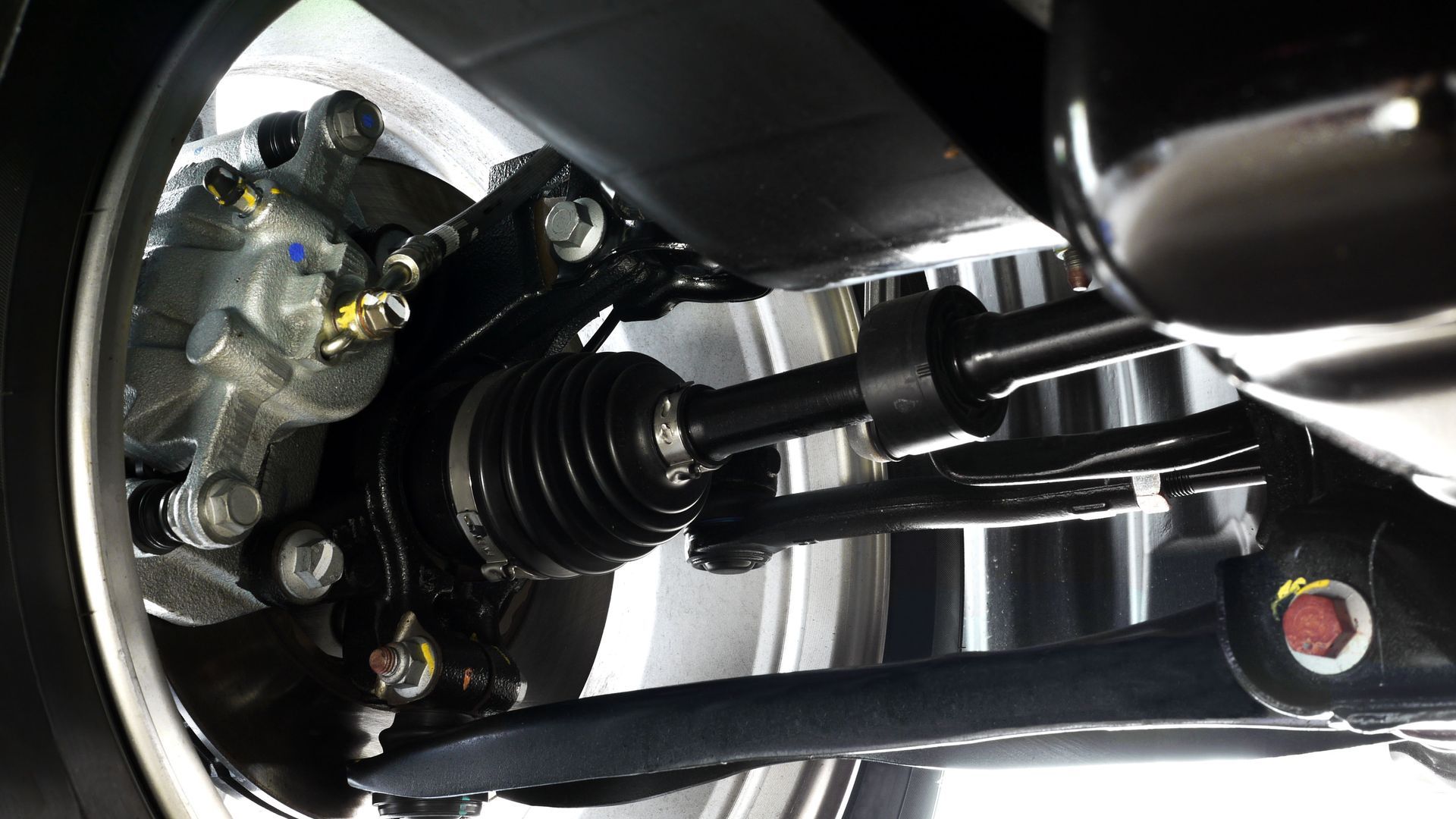
Your vehicle's braking system is one of its most important safety features. Every time you drive, your brakes help you slow down, stop safely, and maintain control in changing road conditions. Because brake systems endure significant stress and wear over time, even small issues can eventually develop into major safety concerns if left unaddressed.
Understanding why brakes fail can help drivers take proactive steps to protect themselves, their passengers, and others on the road. By recognizing warning signs early and scheduling professional maintenance when needed, you can avoid costly repairs and reduce the risk of brake-related accidents. Regular inspections and quality auto brake services play a critical role in keeping your vehicle operating safely and efficiently.
1. Understanding Brake Pad Wear and Preventing Premature Failure
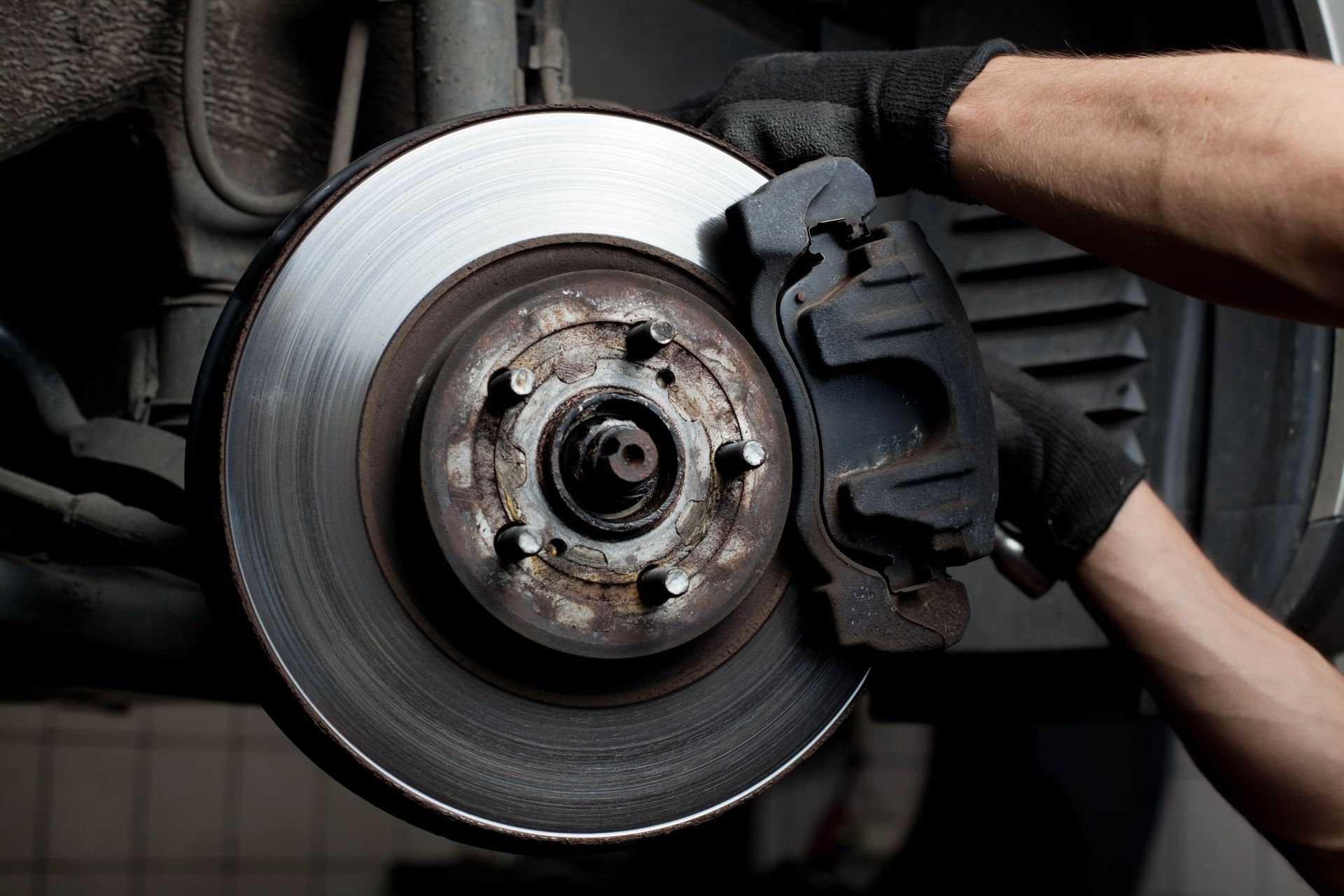
Brake pads are designed to wear down gradually as they create the friction needed to stop your vehicle. However, excessive wear can cause braking performance to decline significantly. When brake pads become too thin, they may no longer provide sufficient stopping power, and the metal backing plates can begin contacting the rotors directly.
Several factors contribute to accelerated brake pad wear, including aggressive driving habits, frequent stop-and-go traffic, and carrying heavy loads. Drivers who routinely brake hard may find themselves replacing pads more often than those who drive more conservatively.
Preventing premature brake pad failure starts with regular inspections. According to Cars.com, the general consensus is that you should get your pads replaced somewhere between 30,000 to 35,000 miles. However, actual replacement intervals may vary depending on your driving habits and vehicle type. Routine auto brake services can help identify worn pads before they compromise safety or damage other brake components.
2. Recognizing Fluid Problems and Preventing Hydraulic Failure
Brake systems rely on hydraulic pressure to transfer force from the brake pedal to the braking components at each wheel. Brake fluid serves as the critical medium that makes this process possible. When brake fluid becomes contaminated, leaks develop, or fluid levels drop too low, braking performance can suffer dramatically.
Over time, brake fluid naturally absorbs moisture from the environment. This contamination lowers the fluid's boiling point and can lead to reduced braking effectiveness, especially during heavy braking situations. In severe cases, moisture contamination may contribute to corrosion within the brake system.
Regular brake fluid inspections and periodic fluid replacement help maintain proper hydraulic performance. Professional auto brake services can identify leaks, evaluate fluid condition, and ensure your braking system maintains the pressure needed for safe operation.
3. Identifying Rotor Damage and Preventing Reduced Stopping Power
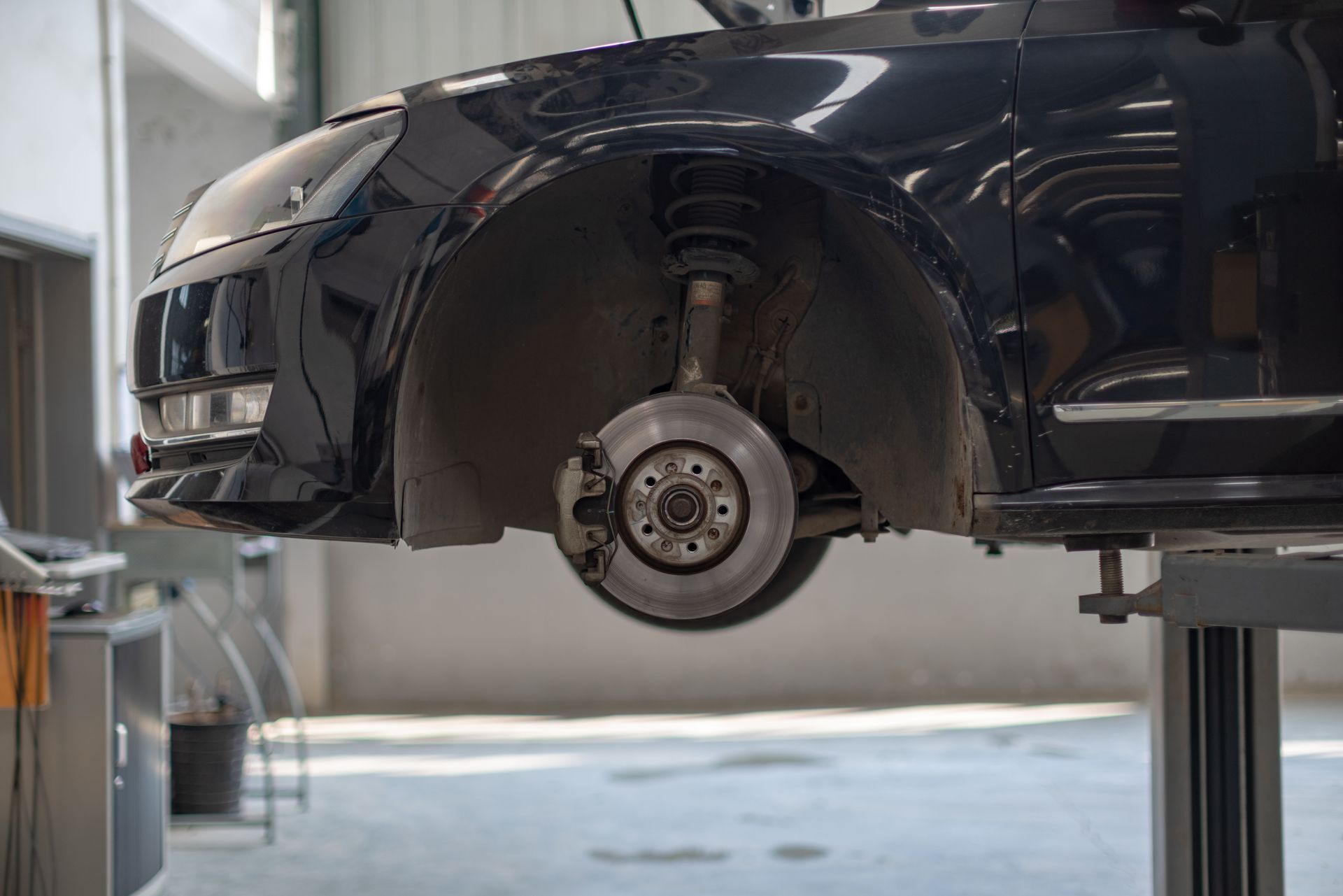
Brake rotors provide the smooth metal surfaces against which brake pads apply pressure. When rotors become warped, cracked, grooved, or excessively worn, braking performance often declines.
Warped rotors commonly develop due to excessive heat buildup. Drivers may notice vibrations in the steering wheel or brake pedal when slowing down. Deep grooves or uneven rotor surfaces can reduce the effectiveness of brake pad contact, resulting in longer stopping distances and uneven wear patterns.
Preventing rotor damage involves addressing brake issues early rather than waiting until symptoms become severe. Routine inspections help identify rotor wear before significant damage occurs. Professional technicians performing auto brake services can determine whether rotors should be resurfaced or replaced to restore proper braking performance.
4. Detecting Caliper Issues and Preventing Uneven Braking
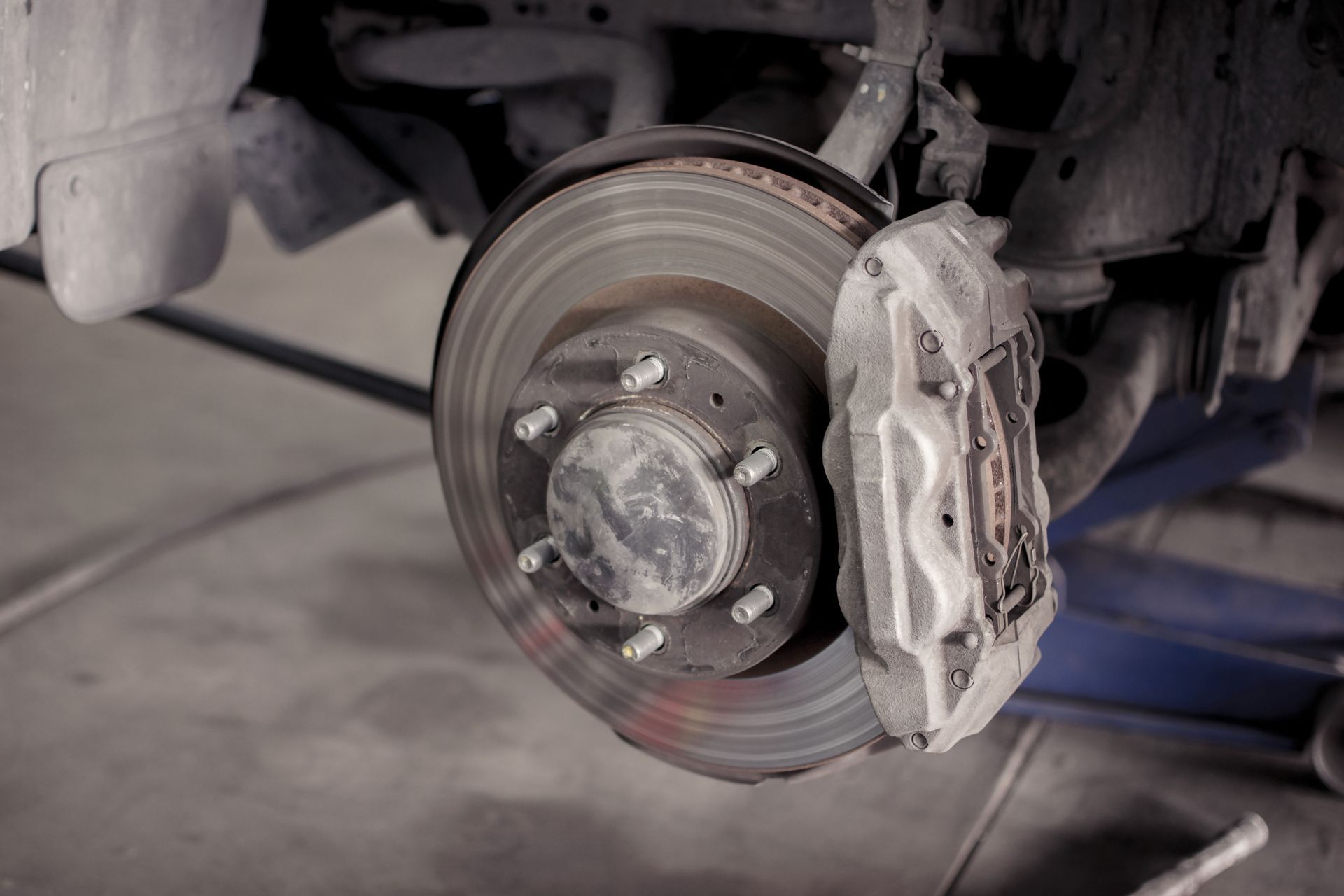
Brake calipers play an essential role by squeezing the brake pads against the rotors when the brake pedal is pressed. If a caliper becomes stuck, seized, or damaged, the braking system may no longer operate evenly.
A sticking caliper may cause one brake pad to wear faster than the other or create constant friction against the rotor. Drivers might notice unusual pulling during braking, reduced fuel efficiency, or excessive heat coming from one wheel.
Caliper problems often develop gradually, making regular inspections especially valuable. Keeping braking components clean and addressing signs of wear promptly can reduce the likelihood of caliper failure. Experienced technicians can identify these issues during scheduled auto brake services and recommend appropriate repairs before safety becomes compromised.
5. Addressing Brake Line Damage and Preventing Pressure Loss
Brake lines transport hydraulic fluid throughout the braking system. Because these lines are exposed to road debris, moisture, and environmental contaminants, they can deteriorate over time.
Corrosion is a common cause of brake line failure, particularly in regions that experience harsh winters or frequent exposure to road salt. Even a small leak can reduce hydraulic pressure and significantly impact braking effectiveness. In severe situations, a ruptured brake line can lead to substantial brake failure.
Routine inspections help identify rust, corrosion, and physical damage before leaks develop. Drivers should never ignore fluid spots beneath their vehicles or changes in brake pedal feel. Prompt attention and professional auto brake services can help prevent brake line issues from escalating into serious safety hazards.
6. Monitoring Heat Buildup and Preventing Component Breakdown
Heat is a natural byproduct of braking, but excessive temperatures can damage multiple brake system components. Prolonged downhill driving, frequent hard braking, and towing heavy loads can all contribute to excessive heat generation.
When brakes overheat, drivers may experience brake fade, a condition in which braking effectiveness temporarily decreases. Excessive heat can also accelerate wear on pads, rotors, calipers, and brake fluid.
Managing heat buildup requires smart driving habits and proper vehicle maintenance. Using engine braking when appropriate, maintaining safe following distances, and avoiding unnecessary hard stops can all help reduce brake temperatures. Routine inspections ensure components remain capable of handling the demands placed upon them.
7. Preventing Corrosion and Preserving Brake Performance
Corrosion is one of the most common long-term threats to braking systems. Moisture, road salt, humidity, and environmental contaminants can gradually damage metal components throughout the brake assembly.
Rust may affect rotors, calipers, brake lines, mounting hardware, and other critical parts. While some surface rust is normal, extensive corrosion can interfere with component movement and reduce overall braking efficiency.
Regular vehicle maintenance helps minimize corrosion-related issues. Keeping the undercarriage clean, especially after exposure to road salt, can help protect braking components. Professional inspections can identify early signs of corrosion and allow for corrective action before more extensive repairs become necessary.
8. Evaluating Warning Signs and Preventing Unexpected Failure
Brake systems often provide warning signs before serious failures occur. Unfortunately, many drivers delay service because symptoms seem minor or intermittent. Ignoring these warning signs can allow small issues to evolve into major repair needs.
Common indicators include squealing or grinding noises, vibrations while braking, longer stopping distances, dashboard warning lights, soft brake pedals, or pulling to one side during braking. Any of these symptoms may signal developing problems within the braking system.
Taking warning signs seriously is one of the most effective ways to prevent brake failure. Early diagnosis often results in simpler and less expensive repairs compared to addressing advanced damage after component failure occurs.
9. Scheduling Routine Maintenance and Preventing Costly Repairs
Perhaps the most effective way to avoid brake failure is through consistent preventive maintenance. Routine inspections allow technicians to evaluate the condition of pads, rotors, fluid, calipers, brake lines, and other critical components before problems become severe.
Preventive maintenance not only enhances safety but can also reduce overall ownership costs. Replacing worn brake pads at the appropriate time, for example, may help prevent damage to rotors and other more expensive components. Addressing minor issues early often eliminates the need for larger repairs later.
Professional auto brake services provide drivers with the confidence that their braking systems are operating as intended. Regular maintenance schedules can be tailored to your vehicle, driving habits, and local conditions to maximize performance and reliability.
By paying attention to warning signs, practicing responsible driving habits, and investing in regular
auto brake services, you can help ensure your vehicle remains dependable in all driving conditions. If you've noticed changes in braking performance or it's been a while since your last inspection, contact Aaron's Elite Auto Service to schedule professional brake maintenance and keep your vehicle operating safely for every mile ahead.